Lichfield Life: Pelvic Health Matters
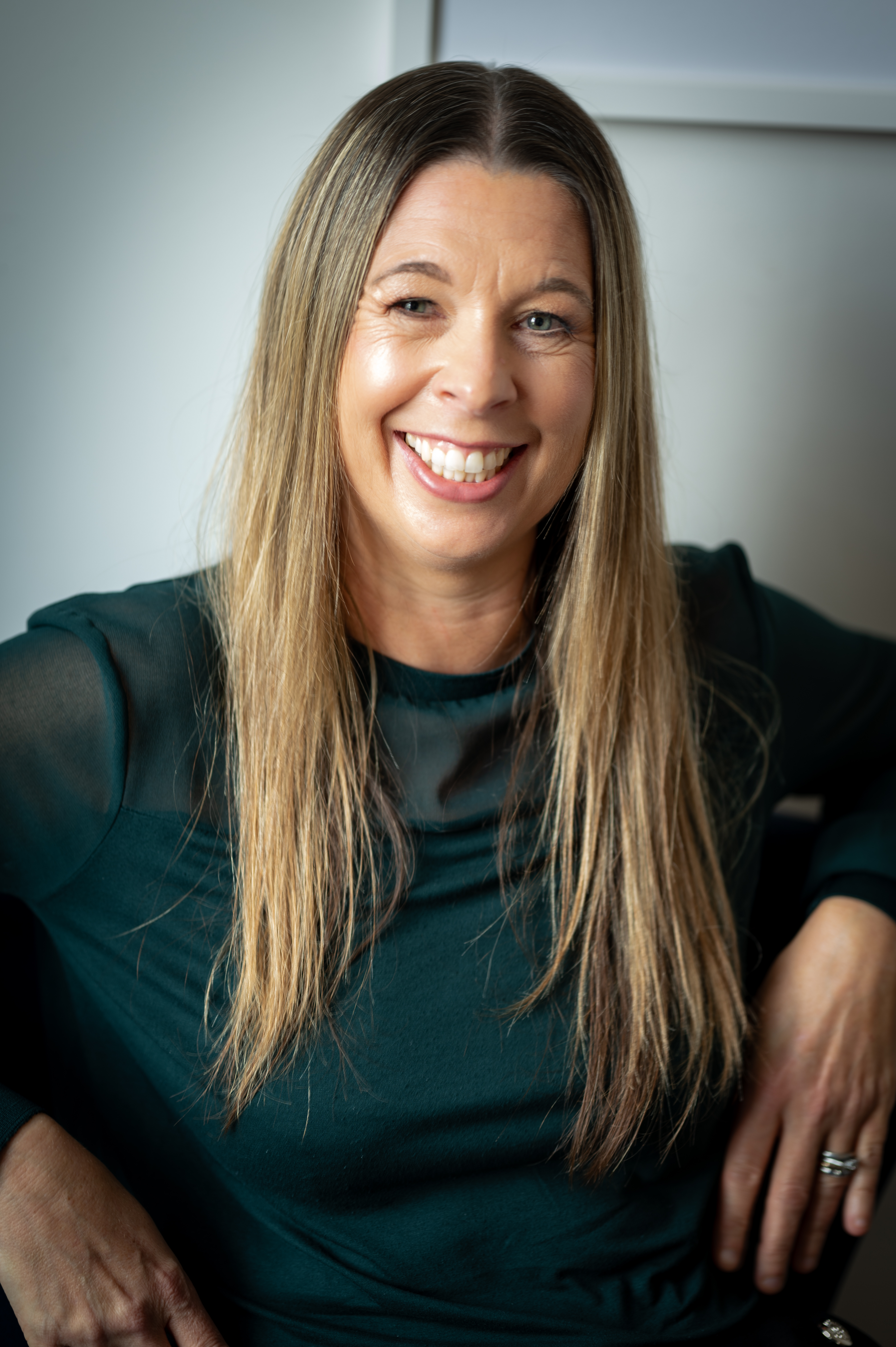
By Kate Roberts
2025 has arrived and for many of us, we consider what resolutions or goals we would like to
make, for some more exercise, socialising or simply just getting more fresh air is top of their
wishes. For others, whilst they would love to embrace more physical activity, their Pelvic
Floor Health is holding them back.
It's estimated that 14 million people in UK of all ages are suffering with bladder problems
and a further 6.5 million with bowel problems. Today incontinence, (The involuntary loss of
bladder and/or bowel control) is impacting 1 in 3 woman and many men.
Yet it is still a subject that is misunderstood and very hard to talk about & people regrettably
are not getting the support they need in the timescales required.
Two years ago, I made my own resolution to finally address my pelvic floor health, and
thank goodness I took that leap. But I’ll be honest—it wasn’t easy. For a long time, I pushed
the issue to the background, focused on raising two young children and caring for my late
dad during his cancer.
My story started after my first pregnancy and natural childbirth eight years ago when I
experienced stress incontinence. At the time I was able to get some help from a physio to
learn how to conduct kegels but despite lots of effort I didn’t make the progress I wished for
and as a result my stress incontinence was put to the side. I made adjustments in my life
that were necessary to manage it whilst I focused on my dad and family which were the
priorities at that time.
During my second pregnancy I unexpectedly suffered with Urinary Stasis. I was unable to
pass urine and ended up in A&E. The pregnancy had weakened the muscles of the bladder
and I was unable to fully empty it leading to the stasis. A catheter was installed for several
weeks.
Later in the pregnancy I caught Covid and suffered a violent cough whilst pregnant for
several weeks leading to stress and urge incontinence. It was so bad that I need to use pads
and eventually it led to the early surprise birth of my baby girl. Post birth my pelvic floor
health deteriorated even further after needing multiple surgeries to remove the placenta.
Upon returning home to my family and settling into maternity leave and considering
returning to exercise, I started to realise the impact of pelvic floor health and condition on
my life. With severe mixed incontinence and a mild uterine prolapse my conditions were
now impacting my ability to conduct physical activity, eroded sexual confidence and
negatively impacted my mental health, wearing pads was getting me down and stopping me
often from going out.
I sought help through the NHS for a Physio but at this point there was a waiting list of a
year. In my need to regain my life, I even approached a private consultant who discussed
possible surgeries but was unwilling to do anything until I saw a physio. It was at this very
point when I decided enough was enough and I then began to look into other non-invasive
treatments and found a private treatment. I travelled an hour to get to the treatment
however it transformed my life. I regained confidence, went back to exercise, illuminated
the use of pads and had great sleep again and no longer worried about how far I was away
from a toilet.
It was following this journey and my continuing work with the organisation Connected as a
Perinatal Peer Supporter that I decided to leave my current job so I could make this
treatment available locally to other woman who need such help and set up Pelvic Peace of
Mind in the centre of Lichfield in Oct 2024.
It was great to hear last week at the Lichfield WI that the National WI Resolutions includes
“Let's talk about incontinence”. This important campaign calls on the government to launch
a comprehensive review and audit of incontinence care to improve services and to examine
all areas of health and wellbeing affected by incontinence. I find this resolution both
empowering and long overdue. Tackling incontinence is not just about health—it’s about
dignity, quality of life, and breaking the stigma around an issue that affects millions. Let’s
hope this goes forward as the chosen topic.
If you know someone who is struggling with their pelvic health there are things you can do
to help, start by talking about it, they will feel alone and often think they are the only people
struggling with it, but that’s so far from the case. Just by talking you will make a difference
and when ready encourage to seek help from a professional to see what further steps can
be taken to improve the condition.

Comments